Ultraman: History, Origins, and Tokusatsu Facts
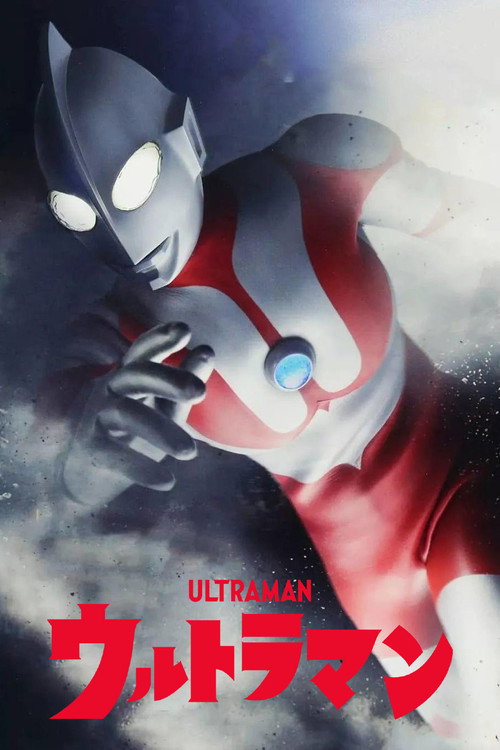
Ultraman (1966), conceived by visionary special effects director Eiji Tsuburaya through Tsuburaya Productions, stands as a defining cornerstone of global science fiction and the Japanese tokusatsu genre. Centered on the symbiotic bond between science-patrol officer Shin Hayata and a benevolent alien titan from Nebula M78, the series established the universal template for giant superheroes battling colossal kaiju and cosmic invaders. Featuring legendary elements such as the three-minute energy limit dictated by the chest Color Timer, the devastating Spacium Beam, and handcrafted scale-miniature pyrotechnics, Ultraman evolved into a multi-generational international phenomenon and one of the most prolific franchises in television history.
Ultraman: History, Origins, and Tokusatsu Facts
In the history of global science fiction and Japanese visual media, few creations have achieved such enduring international acclaim as Ultraman (Urutoraman). Premiering on Japanese television in July 1966 through Tsuburaya Productions and Tokyo Broadcasting System (TBS), this landmark live-action special effects (tokusatsu) series established the foundational template for the giant superhero subgenre, defending Earth against titanic monsters (kaiju) and extraterrestrial conquerors.
Created under the guidance of legendary special effects director Eiji Tsuburaya—celebrated as the visual co-creator of Godzilla—Ultraman united intricate scale miniatures, handcrafted latex creature suits (suitmation), and thoughtful philosophical storytelling. The broadcast marked a technical milestone for 1960s color broadcasting in Japan and launched a multimedia franchise spanning more than six decades of continuous production.
The story of Shin Hayata, an elite officer of the Science Special Search Party (SSSP) who bonds his life essence with a benevolent alien entity from Nebula M78, captured worldwide audiences. Below is an exhaustive historical analysis of the character's origins, creative milestones, practical production methods, and verified trivia preserved in studio archives.
Origins and Narrative Premise
Ultraman debuted on Tokyo Broadcasting System on July 17, 1966, serving as the direct conceptual successor to the black-and-white television series Ultra Q (1966), which had focused on civilian investigators uncovering anomalous monster phenomena. With Ultraman, the narrative structure shifted to a heroic and proactive science-defense organization.
The storyline opens as an alien officer from Nebula M78 pursues the rogue space beast Bemular to Earth. During the high-speed pursuit over Japan, the alien spacecraft accidentally collides with the patrol jet piloted by Shin Hayata, fatally injuring the human officer. Remorseful over the accident, the alien merges his vital life force with Hayata's body to revive him, entrusting him with the Beta Capsule. Whenever global catastrophes surpass conventional military capabilities, Hayata activates the device to transform into Ultraman, a 40-meter-tall titan endowed with formidable physical prowess and devastating energy projections.
However, operating within Earth's dense atmosphere imposes a severe physiological constraint: Ultraman can sustain his full combat power for only three minutes before his energy reserves deplete. This critical countdown is indicated by the Color Timer affixed to his chest, which shifts from solid blue to a rapid flashing red accompanied by an audible warning chime as his strength fades.
Creators and Production Background
The conceptual development was led by Eiji Tsuburaya, who established Tsuburaya Productions to bring the cinematic craft of theatrical monster movies directly into household television sets. Chief screenwriter Tetsuo Kinjo enriched the episodes with moral complexity, often contrasting the tragic nature of displaced prehistoric beasts against the hostile intentions of interstellar conquerors.
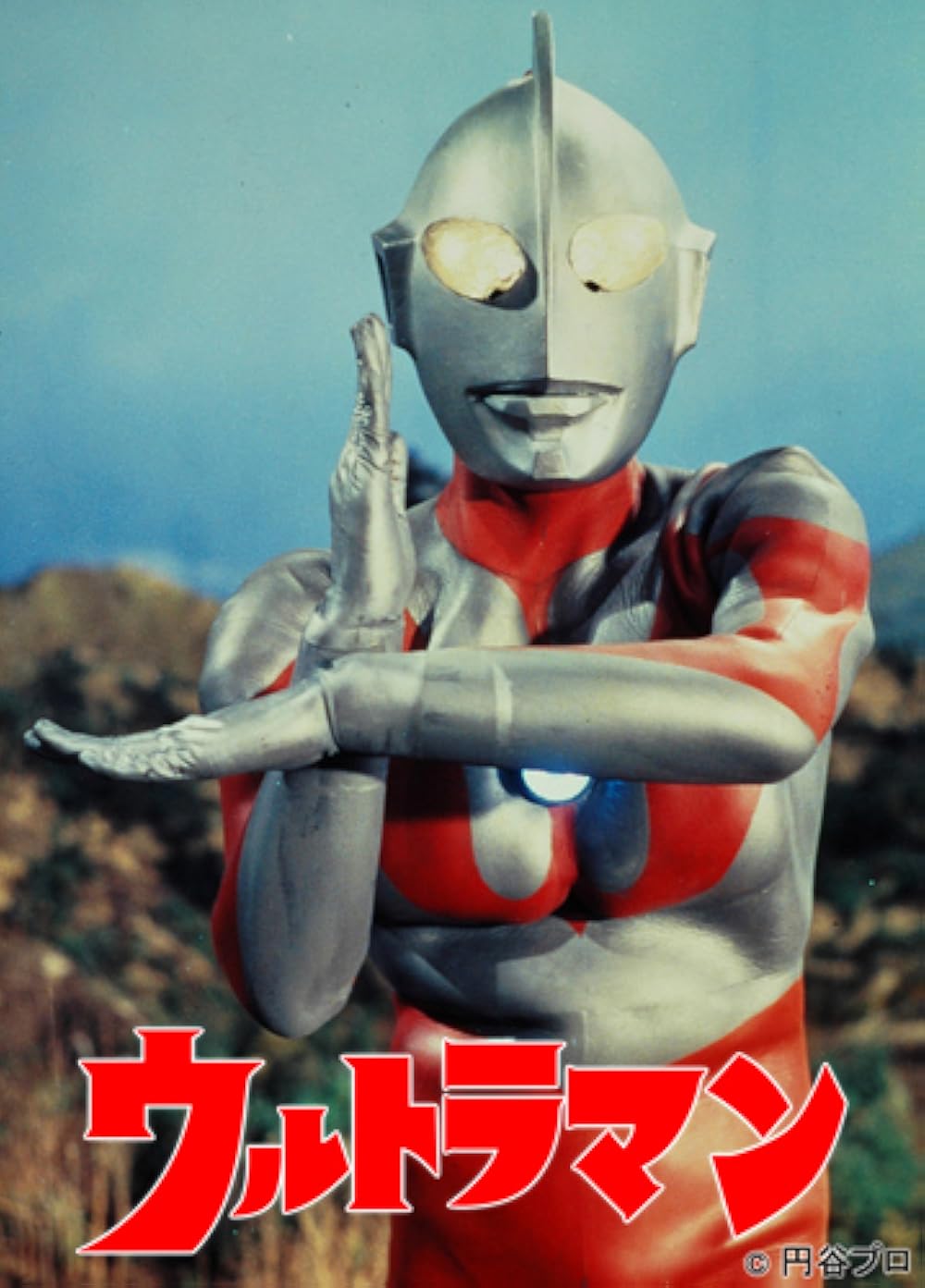
The iconic aesthetic of Ultraman was conceived by avant-garde sculptor and painter Toru Narita. Rejecting traditional armored tropes, Narita designed a minimalist, silver-and-red silhouette representing futuristic sleekness and vital biological energy.
Inside the physical suit was martial artist and actor Bin Furuya, whose tall proportions, wide shoulders, and dynamic fighting stance gave Ultraman his distinctive physical presence, most notably when crossing his arms in a right-angled posture to discharge the lethal Spacium Beam.
Mechanical Evolution and Franchise Expansion
Spanning 39 original episodes (plus a pre-premiere promotional special), Ultraman generated staggering ratings exceeding 36% of Japanese television households. Its overwhelming commercial and cultural success paved the way for the broader Ultra Series:
Ultraseven (1967): Introduced darker, more mature military-science fiction themes, expanding the lore of the Inter Galactic Peace Keeping Force.
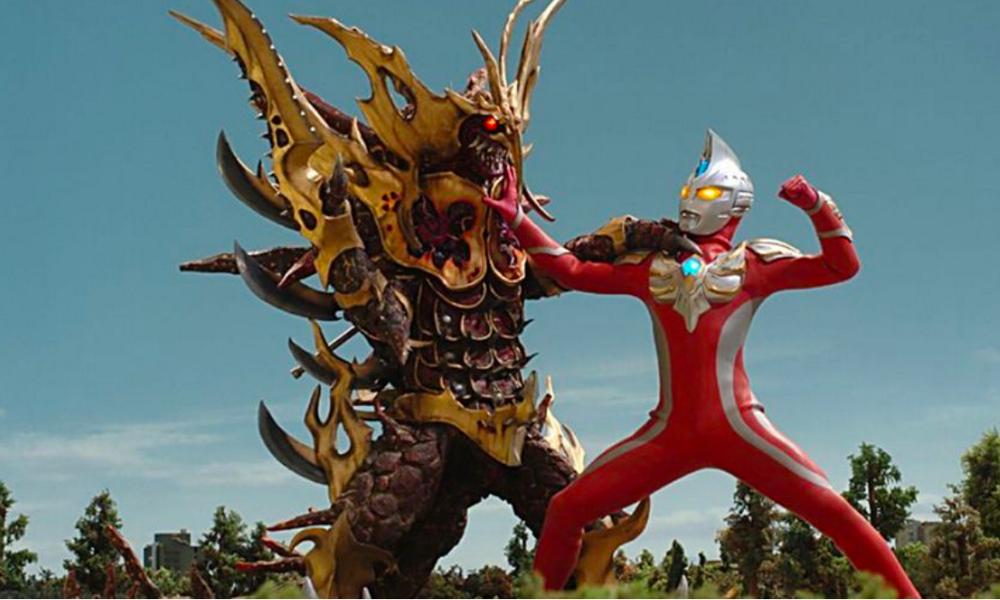
The Showa and Heisei Generations: Across subsequent decades, series such as Ultraman Ace, Ultraman Taro, and the acclaimed Ultraman Tiga (1996) modernized the franchise through digital optical compositing and multi-form combat styles (Type Changes).
Modern Renaissance and Shin Ultraman (2022): The franchise's enduring relevance was underscored by the blockbuster theatrical release of Shin Ultraman, written and produced by Hideaki Anno, which faithfully resurrected Toru Narita’s original timerless aesthetic.
Verified Trivia and Lesser-Known Facts
The Early Monster Protagonist Concept: In initial 1965 project outlines, the defending entity was drafted as a benevolent winged dragon named Bemler, and later as an armored warrior named Redman, before Toru Narita finalized the iconic humanoid form.
The Cost-Saving Origin of the Color Timer: Toru Narita's original artistic paintings did not include a chest light. The Color Timer was introduced by the production crew to provide an in-universe narrative justification for limiting fight sequences to three minutes, thereby controlling the high budget costs of scale-model pyrotechnics.
The Modified Godzilla Suit for Monster Jirass: In Episode 10, the monster Jirass was portrayed using an authentic Godzilla suit borrowed directly from Toho Studios, altered simply by attaching a large yellow frill around its neck to disguise the base mold.
Bin Furuya's Extreme Suit Conditions: The original latex diving-suit construction lacked proper ventilation, causing suit actor Bin Furuya to lose several pounds of water weight per filming session while requiring oxygen assistance between combat takes.
Cultural Impact and Global Legacy
Ultraman permanently transformed Japanese television and influenced global media franchises. Its narrative structure directly inspired celebrated works such as Neon Genesis Evangelion, Dragon Ball, and the Super Sentai franchise (adapted internationally as Power Rangers). Officially recognized by the Guinness World Records for the most derived television series, Ultraman endures as an immortal symbol of courage, scientific wonder, and goodwill.
Frequently Asked Questions (FAQ)
Who created the original Ultraman television series in 1966?
The series was created by special effects pioneer Eiji Tsuburaya through his studio Tsuburaya Productions, with lead writing contributions from Tetsuo Kinjo.
Why does Ultraman have a three-minute time limit on Earth?
Earth's atmospheric filtering and energy depletion limit his power to three minutes, a condition monitored by the flashing Color Timer on his chest.
Who portrayed Ultraman inside the suit during the original 1966 run?
Actor and stunt specialist Bin Furuya performed as Ultraman in all 39 broadcast episodes.
Conclusion
Ultraman remains far more than a vintage monster show; it is an enduring monument to handcrafted special effects and humanistic storytelling. Its timeless message of hope and vigilance continues to inspire audiences across the globe.
Referenced Sources
No comments yet. We invite you to share your perspective on this dispatch.
Conversation & Reader Perspectives (0)