Super Robot Red Baron: 1973 Tokusatsu History and Facts
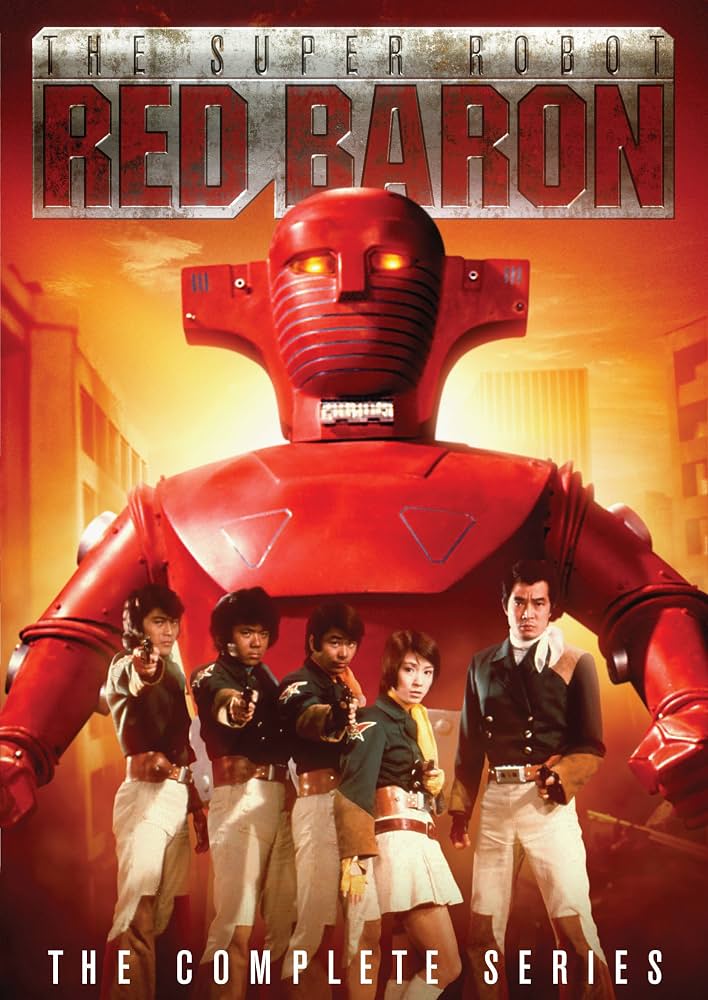
Super Robot Red Baron (1973–1974) stands as a foundational milestone in 1970s Japanese tokusatsu and giant mecha television history. Produced by Nippon Gendai Kikaku and written by acclaimed Ultraman veterans Shozo Uehara and Tetsuo Kinjo, the 39-episode series merged espionage storytelling with practical-effects miniature warfare. Featuring pioneering concepts such as a fingerprint-scanning ignition interface and signature attacks like the high-voltage Electrigger, this crimson colossus built a dedicated international following across Japan, Latin America, and Southern Europe.
Super Robot Red Baron: 1973 Tokusatsu History and Facts
During the golden era of 1970s Japanese special effects television (tokusatsu), the entertainment landscape experienced a massive surge in giant robot narratives. Amidst this creative boom, Super Robot Red Baron (Sūpā Robotto Reddo Baron, 1973–1974) emerged as a groundbreaking production by Nippon Gendai Kikaku and Nippon Television, seamlessly blending international espionage drama with colossal mechanical warfare.
Unlike many contemporary shows that relied on mystical artifacts or magical transformations, Red Baron grounded its narrative in technological hard science fiction and tactical detective investigations. The series introduced innovative biometric control systems, clandestine terrorist syndicates, and a formidable mecha design defined by its striking crimson armor and devastating array of concealed weaponry.
Across its 39-episode broadcast run, the show captured domestic Japanese audiences and achieved significant international syndication across Latin America, Asia, and the Middle East. Below is an exhaustive historical overview covering the origins, production challenges, technological evolution, and verified trivia surrounding this pioneering mecha classic.
Origins and Narrative Premise
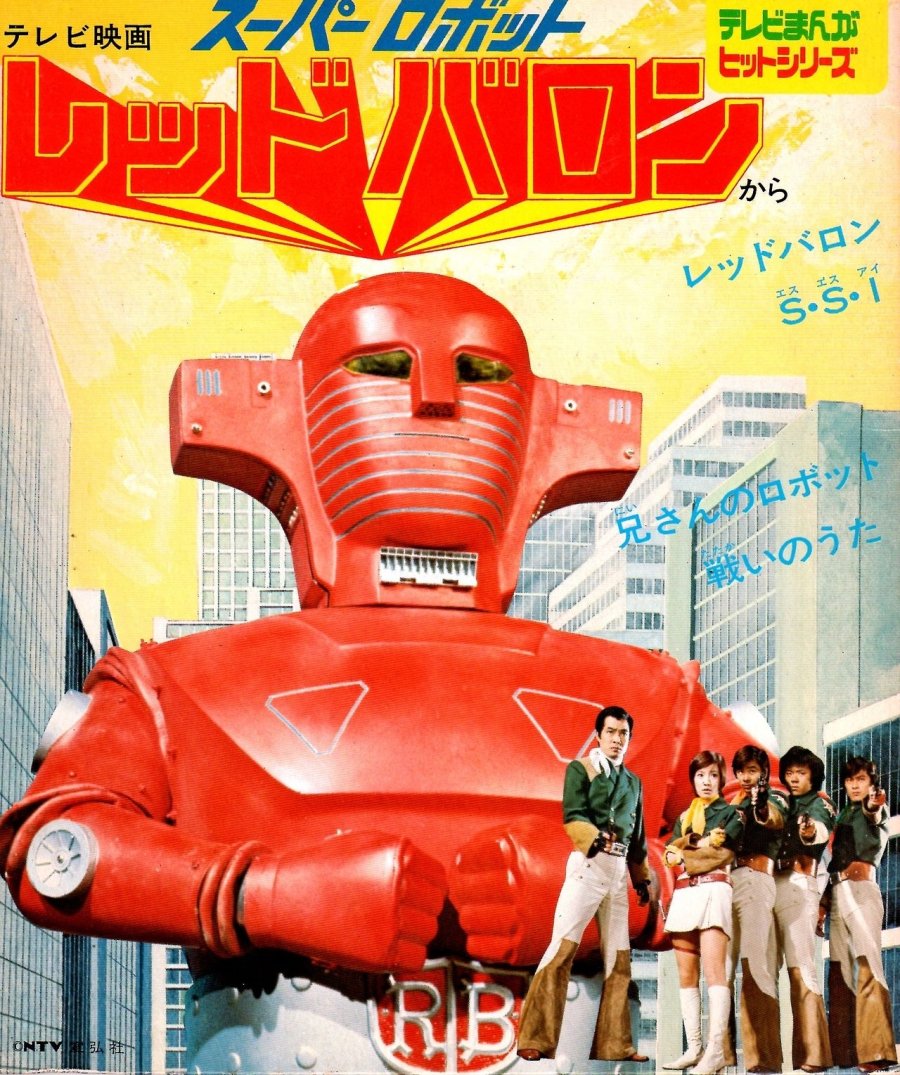
Super Robot Red Baron premiered on Japanese television on July 4, 1973. The core storyline centers on the nefarious "Iron Masked Syndicate" (Tetsumen-tō), a global criminal empire led by the sinister Devilar. The syndicate stages a daring raid during the World Robotics Exhibition, abducting world-renowned scientists to steal their blueprints and build a mechanized army for world conquest.
Prior to his capture and tragic death, elite roboticist Dr. Kenichiro Kurenai successfully safeguards his ultimate creation: the colossal combat mecha Red Baron. Dr. Kurenai entrusts exclusive operational command to his younger brother, Ken Kurenai, an undercover operative within the SSI (Secret Science Investigation) unit. Utilizing an advanced fingerprint authentication panel and voice recognition protocols, Ken becomes the sole pilot authorized to operate the crimson giant against the syndicate's global mechanical threats.
Creators and Production Background
The series was created and produced by Nippon Gendai Kikaku, featuring key creative contributions from acclaimed screenwriters Shozo Uehara and Tetsuo Kinjo, celebrated veterans of Tsuburaya Productions' early Ultraman series.
The mecha suits and miniature visual effects were engineered using practical suitmation techniques and handcrafted scale models. Operating under the economic constraints of the 1973 global oil crisis, the production crew demonstrated exceptional ingenuity by maximizing practical pyrotechnics and constructing intricate miniature industrial complexes, giving the battle sequences a gritty, high-stakes cinematic atmosphere.
Technical Evolution and Franchise Legacy
As the broadcast progressed, the series introduced dynamic narrative shifts and operational upgrades to the titular robot:
The Iron Mask Syndicate Arc: Focused on terrestrial tactical engagements against specialized robot adversaries hijacked and weaponized across multiple global regions.
The Space Garra Empire Arc: Following Devilar's defeat, a new extraterrestrial threat forces Red Baron to undergo aerospace refits, incorporating the Space Wings apparatus for deep-space combat.
The Baron Trilogy and Anime Reboot: The commercial success of the show led to the creation of spiritual successor Super Robot Mach Baron in 1974, as well as the 1994 animated remake Red Baron, produced by Tokyo Movie Shinsha to celebrate the 20th anniversary of the franchise.
Verified Facts and Production Trivia
Pioneering Biometric Ignition Interface: Red Baron was among the earliest giant mecha in television history to implement a fingerprint-scanning steering wheel, ensuring the machine could never be hijacked or operated by unauthorized combatants.
Heavyweight Suitmation Realities: The main Red Baron combat suit, constructed from dense fiberglass and reinforced vulcanized rubber, weighed over 30 kilograms (66 lbs). Stunt actors experienced severe heat exhaustion and restricted field-of-vision during intense pyrotechnic battle shoots.
Signature Combat Arsenals: While classic mecha favored forearm-launched rocket fists, Red Baron utilized high-explosive chest-mounted missile pods (Baron Missile) and delivered its ultimate finishing move via the Electrigger, a devastating high-voltage lightning surge discharged from its head crest.
Widespread Global Syndication: Broadcast internationally across Latin America and Southern Europe under translated titles such as El Barón Rojo, the series built a passionate overseas cult following ahead of the late-1970s color anime boom.
Cultural Legacy and Historical Significance
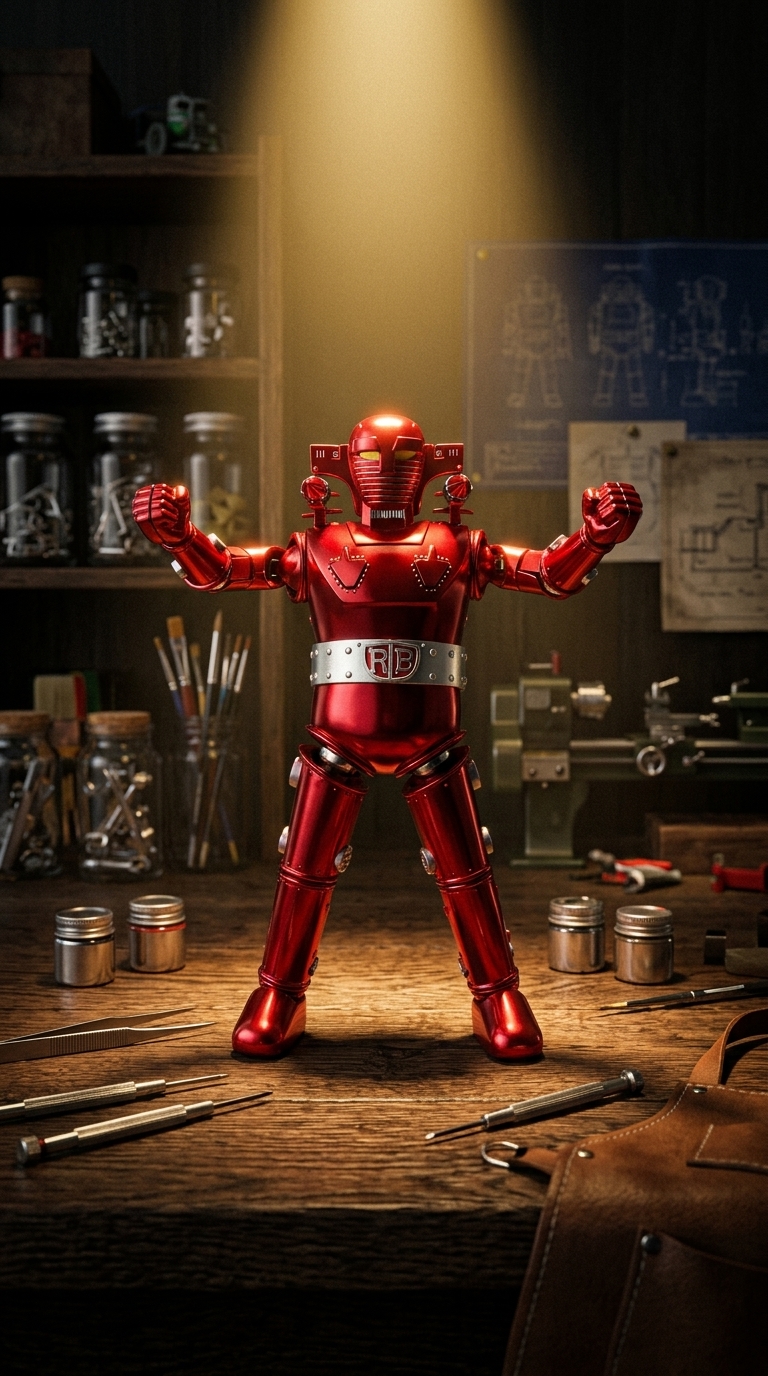
Super Robot Red Baron established a crucial bridge connecting traditional kaiju tokusatsu with the emerging era of piloted super robots. Its serious detective themes, intricate miniature pyrotechnics, and iconic mechanical design continue to influence modern filmmakers, remaining a celebrated cornerstone of vintage Japanese pop culture.
Frequently Asked Questions (FAQ)
Who is the main pilot of Super Robot Red Baron?
Ken Kurenai, a dedicated agent of the special civilian defense and scientific intelligence division SSI (Secret Science Investigation).
How many episodes were produced for the 1973 original series?
The original television series produced by Nippon Gendai Kikaku consists of 39 episodes, broadcast between July 1973 and March 1974.
Is Super Robot Red Baron connected to Super Robot Mach Baron?
Yes, Super Robot Mach Baron (1974) was developed by the same production studio as a thematic successor, forming part of the celebrated "Baron Series" of Japanese television.
Conclusion
Super Robot Red Baron endures as a masterclass in classic Japanese practical effects and sci-fi worldbuilding. Its rich fusion of espionage drama, innovative mecha design, and heroic action ensures its revered standing among vintage tokusatsu enthusiasts worldwide.
Referenced Sources
No comments yet. We invite you to share your perspective on this dispatch.
Conversation & Reader Perspectives (0)