Starfleet Captain: History, Leadership, and Facts
The Starfleet Captain archetype represents one of the most enduring models of leadership in science fiction history. Conceived by Gene Roddenberry in the mid-1960s and defined across generations by legendary figures such as James T. Kirk, Jean-Luc Picard, Benjamin Sisko, and Kathryn Janeway, the rank embodies interstellar diplomacy, scientific curiosity, and ethical responsibility in the face of the unknown. Its cultural legacy remains an international gold standard for principled leadership and thoughtful crisis management.
Starfleet Captain: History, Leadership, and Facts
Within the expansive science fiction mythos of Star Trek, originally created by Gene Roddenberry in 1966, few positions carry such profound philosophical, institutional, and dramatic weight as that of the Starfleet Captain. Far beyond serving as standard naval commanding officers, these leaders embody the core humanitarian and ethical values of the United Federation of Planets: diplomatic patience, scientific inquiry, peaceful exploration, and unwavering respect for galactic diversity.
Commanding deep-space exploration vessels such as Constitution, Galaxy, or Intrepid-class starships, a Starfleet Captain frequently operates thousands of light-years away from direct admiralty oversight. This geographical isolation elevates the captain into the supreme legal, moral, and strategic authority on site. Consequently, these officers must make critical life-or-death determinations guided by strict institutional directives, most notably General Order 1—the Prime Directive—which categorically forbids interference with the natural development of pre-warp civilizations.
Across six decades of television series, films, and expanded literature, the captaincy has remained a primary narrative vehicle for examining human leadership, the psychological solitude of command, and the moral responsibilities of scientific advancement. Below is a comprehensive analysis of the rank's historical foundation, conceptual development, era-by-era evolution, and verified canonical trivia.
Origins and Narrative History of the Rank
In canonical chronological lore, the tradition of human starship command dates back to the mid-22nd century, preceding the formal establishment of the United Federation of Planets in 2161. As documented in Star Trek: Enterprise, Captain Jonathan Archer commanded the prototype NX-01 in 2151, pioneering early interstellar contact protocols and laying the operational groundwork for what eventually became standardized Federation command procedure.
As Starfleet expanded throughout the 23rd and 24th centuries, the rank of Captain solidified as the highest operational grade for line officers actively serving aboard frontline starships and deep-space starbases. Unlike flag officers (admirals), who primarily navigate bureaucratic diplomacy and high-level fleet logistics, captains remain directly engaged with deep-space phenomena, balancing astrophysics research against the complex geopolitical security of their assigned sectors.
Creators and Conceptual Background
Gene Roddenberry structured Starfleet's hierarchy by synthesizing the operational traditions of the British Royal Navy and the United States Navy with C.S. Forester's literary depictions of Captain Horatio Hornblower. Roddenberry envisioned the captain not as a militaristic conqueror, but as an enlightened humanist who prioritized intellectual curiosity, ethical restraint, and negotiation over armed confrontation during the height of the Cold War.
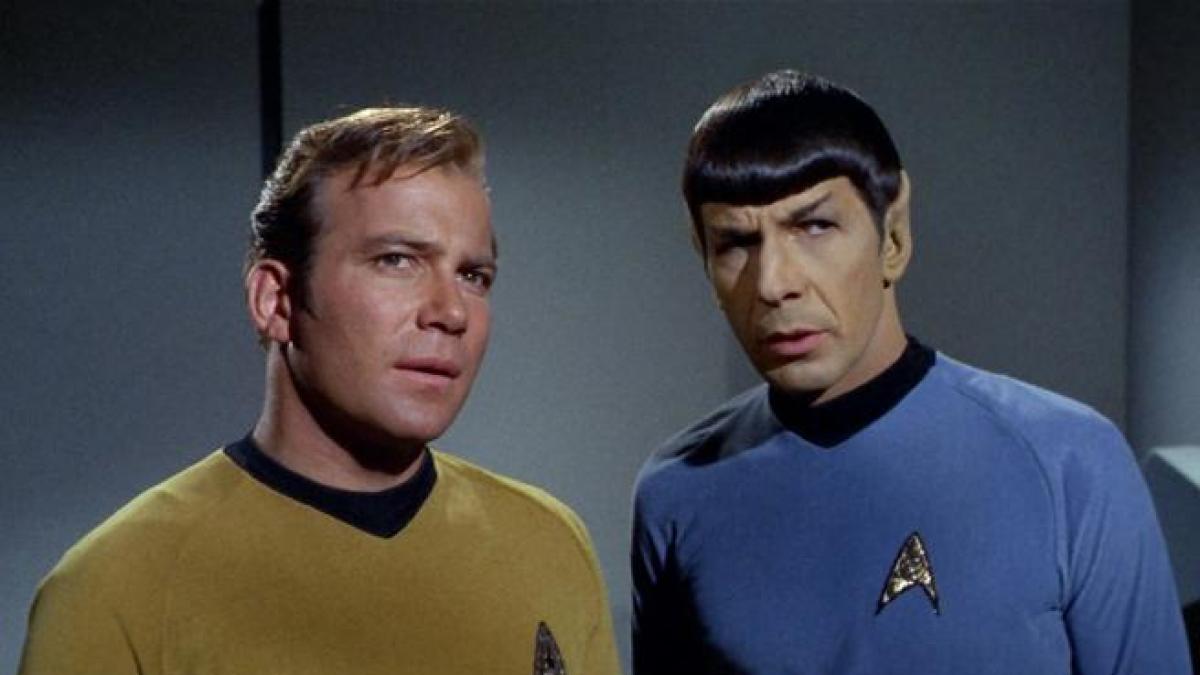
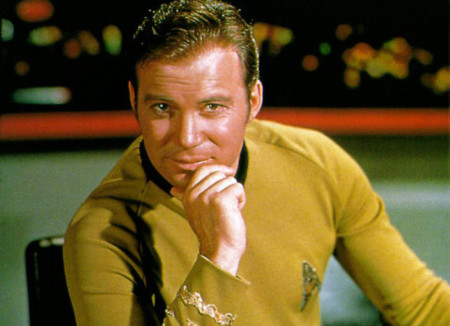
The first captain created for the franchise was Christopher Pike, portrayed by Jeffrey Hunter in the original 1964 pilot episode, "The Cage." Following NBC's request for a revised pilot, Roddenberry created James Tiberius Kirk, played by William Shatner, whose dynamic, passionate, and tactically bold command style established the foundational archetype for modern science fiction heroes.
Evolution of Leadership Models Across Generations
Throughout the franchise, the depiction of the Starfleet Captain expanded to encompass varied, multi-dimensional styles of leadership:
James T. Kirk (23rd Century): Defined the frontier era through bold tactical improvisation, physical resilience, and calculated operational flexibility when confronting alien threats.
Jean-Luc Picard (24th Century): Aboard the USS Enterprise-D in Star Trek: The Next Generation, Picard exemplified scholarly diplomacy, philosophical eloquence, and strict adherence to institutional ethics.
Benjamin Sisko (Deep Space 9): Navigated nuanced political, religious, and military complexities as both the religious Emissary of the Prophets and a frontline wartime commander during the Dominion War.
Kathryn Janeway (USS Voyager): Guided her stranded crew through 70,000 light-years of uncharted space in the Delta Quadrant, fusing rigorous scientific discipline with compassionate, decisive leadership.
Verified Facts and Trivia on Starfleet Captains
The Kobayashi Maru Protocol: Every command-track cadet at Starfleet Academy is required to face this notorious tactical simulation, specifically designed as a no-win scenario to test character in the face of inevitable defeat. James T. Kirk remains the only cadet on record to beat the test, having secretly reprogrammed the scenario's code.
Rank Insignia Evolution: In 24th-century uniforms (TNG, DS9, Voyager), a captain is distinguished by four solid gold collar pips, whereas 23rd-century officers wore two solid gold braids with an interwoven broken braid on their uniform cuffs.
The Phasing Out of the Commodore Rank: During the 23rd century, experienced captains often promoted to Commodore before reaching Flag rank. By the mid-24th century, Starfleet largely discontinued the title, facilitating direct promotion from Captain to Rear Admiral.
Legal Weight of the Captain's Log: The iconic "Captain's Log" is not merely a framing device for audiences; within Starfleet jurisprudence, audio logs serve as binding, admissible legal evidence during board-of-inquiry hearings and court-martial proceedings.
Cultural Legacy and Real-World Influence
The archetype of the Starfleet Captain has exerted a significant influence on popular culture, leadership theory, and public perceptions of science and technology. Business management courses, academic institutions, and military leadership seminars regularly utilize classic Star Trek scenarios to examine ethical decision-making under uncertainty, multicultural team cohesion, and crisis communication.
Frequently Asked Questions (FAQ)
What absolute authority does a Starfleet Captain hold in deep space?
Under Starfleet General Order 12, a captain operating in remote space holds plenipotentiary diplomatic authority, acting as the official representative of the Federation, chief magistrate, and supreme tactical commander of their vessel.
Can a Starfleet Captain be relieved of duty mid-mission?
Yes. Under Starfleet regulations, a Chief Medical Officer can relieve a commanding officer if medical or psychological unfitness is formally certified, and a First Officer may assume command under strict conditions involving clear treason or incapacitation.
Who was Earth's first interstellar Starfleet Captain in canon chronology?
Captain Jonathan Archer, who led the United Earth starship Enterprise NX-01 starting in 2151 and later served as one of the founding leaders of the United Federation of Planets.
Conclusion
The Starfleet Captain stands as a lasting symbol of principled leadership, intellectual curiosity, and moral integrity. By prioritizing diplomacy and empathy over conquest, this timeless archetype continues to inspire audiences toward a cooperative and optimistic vision of humanity's future.
Referenced Sources
No comments yet. We invite you to share your perspective on this dispatch.
Conversation & Reader Perspectives (0)