Mazinger Z: History, Origin, and Super Robot Facts
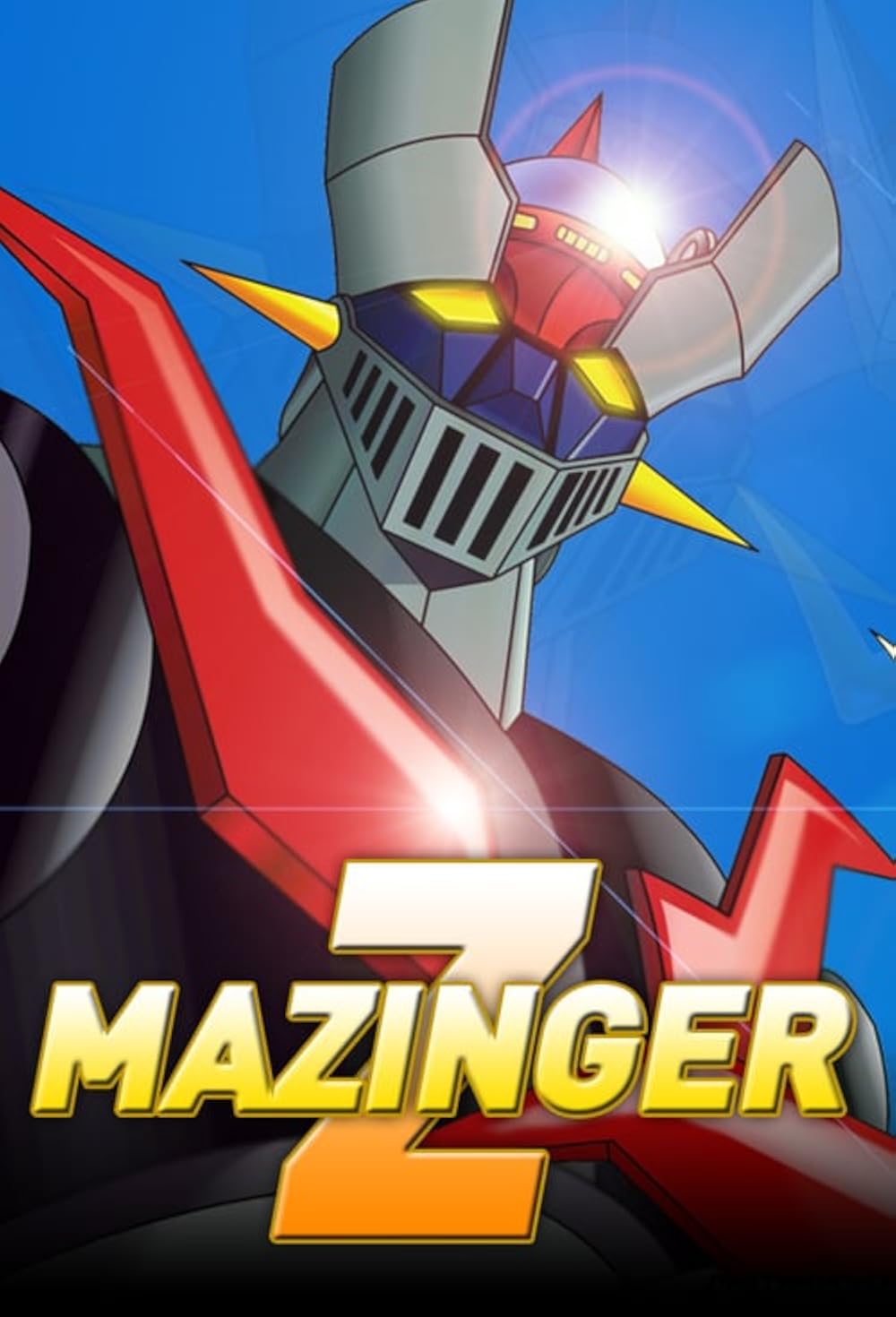
Mazinger Z stands as the definitive masterpiece that revolutionized global science fiction and mecha anime storytelling. Conceived by Go Nagai in late 1972, this pioneering giant robot fundamentally changed the genre by placing a human pilot inside an integrated cockpit via the head-docking Hover Pilder. Forged from the indestructible fictional Super-Alloy Z and armed with legendary offensive weaponry like the Rocket Punch and Breast Fire, Mazinger Z established the structural blueprint for decades of mecha pop culture, enduring for over fifty years as an international symbol of innovation and heroism.
Mazinger Z: History, Origin, and Super Robot Facts
In the history of global science fiction and animation, few creative achievements have exerted as profound an influence as Mazinger Z (Majingā Zetto). Created by legendary manga artist Go Nagai in 1972, this seminal work fundamentally transformed the anime landscape by introducing an unprecedented concept: a colossal combat robot piloted directly by a human being from an integrated cockpit.
Prior to Mazinger Z, giant robots in Japanese popular culture—such as Mitsuteru Yokoyama's Tetsujin 28-go (Gigantor) or Osamu Tezuka's Astro Boy—operated either as autonomous sentient beings or via external radio remote controls. Go Nagai revolutionized this formula by placing the human protagonist inside the machine, effectively making the mecha an extension of the pilot's own body and moral willpower. This breakthrough established the foundational blueprint for the entire "Super Robot" genre.
Spanning more than fifty years of continuous multimedia adaptations, the battles of Koji Kabuto and Mazinger Z against the villainous Doctor Hell have achieved universal acclaim, building massive followings across Asia, Europe, and the Americas. Below is a comprehensive examination of Mazinger Z's historical background, technical innovations, cultural influence, and verified production trivia.
Origins and Narrative Premise
Mazinger Z made its historical debut in October 1972 within the pages of Shueisha's Weekly Shonen Jump magazine. Recognizing the immense potential of the premise, Toei Animation rapidly produced a television anime adaptation, which premiered on Fuji TV on December 3, 1972.
The narrative centers on the sinister schemes of Doctor Hell, an archaeological genius who uncovers the remnants of an ancient Mycenaean civilization capable of constructing devastating mechanical beasts (Kikaiju). Determined to subjugate the world, Doctor Hell mobilizes his robotic legion for global conquest.
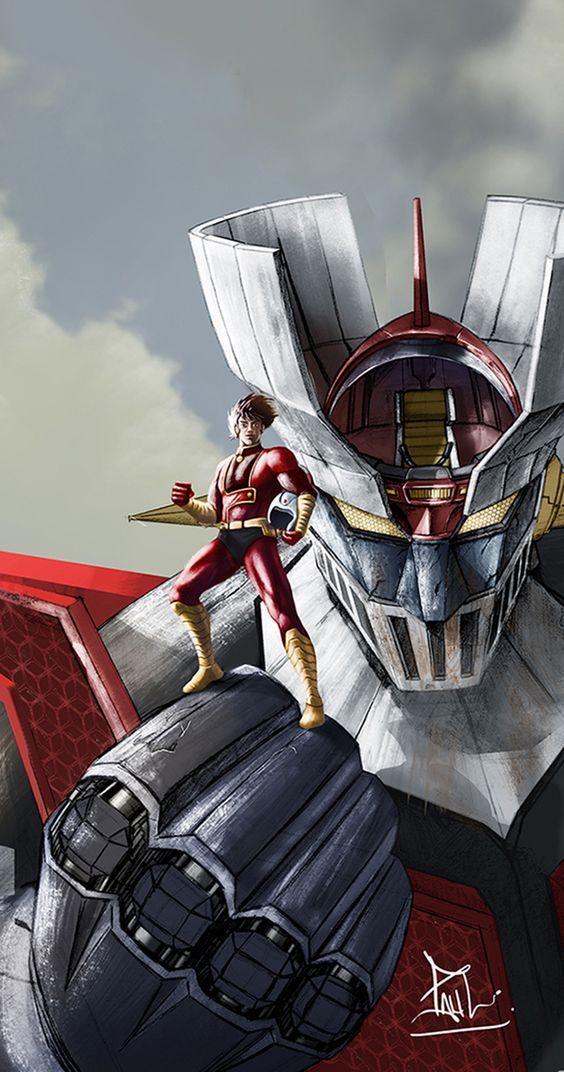
To safeguard humanity, distinguished scientist Dr. Juzo Kabuto secretly constructs the ultimate defense mechanism: Mazinger Z. The towering colossus is forged from "Super-Alloy Z" (Chogokin Z), an indestructible metal synthesized from the fictitious mineral Japanium found exclusively near Mount Fuji. Before succumbing to an assassination orchestrated by Doctor Hell's operatives, Dr. Kabuto entrusts the robot to his teenage grandson, Koji Kabuto, delivering a legendary ultimatum: with Mazinger Z, Koji possesses the power to become a benevolent god or a demonic destroyer.
Creators and Production Background
The conceptual architecture of Mazinger Z was created by Kiyoshi Nagai, universally known by his professional pen name Go Nagai, through his creative studio Dynamic Productions. By 1972, Nagai was already recognized as one of Japan's most daring manga innovators, having broken storytelling conventions with controversial titles like Harenchi Gakuen and Devilman.
The flash of inspiration for the piloted robot famously occurred during a dense traffic gridlock in Tokyo. Trapped in his vehicle, Nagai mused how convenient it would be if his car could suddenly sprout legs and stride over the surrounding vehicles. This urban fantasy crystallized into the concept of the Hover Pilder, a compact vertical-takeoff craft that docks into the crown of the giant robot's head, establishing full command and control.
For the animated broadcast, Toei Animation assigned visionary directors such as Tomoharu Katsumata, paired with a dynamic symphonic score composed by Michiaki Watanabe and memorable theme songs performed by legendary vocalist Ichiro Mizuki.
Mechanical Evolution and Franchise Sequels
The original television anime spanned 92 episodes between December 1972 and September 1974, regularly commanding Japanese television ratings exceeding 30%. The immense success of the series established a thriving media franchise:
Great Mazinger (1974): Introduced in the dramatic climax of the original series, featuring new protagonist Tetsuya Tsurugi and an upgraded mecha engineered to combat the Mycenaean Empire.
UFO Robo Grendizer (1975): The third chapter of the classic trilogy, integrating alien technology and featuring Koji Kabuto in a supporting tactical role.
Mazinkaiser (2001) and Shin Mazinger Z (2009): Modern anime revivals that returned to the darker, mythic elements of Go Nagai's original manga manuscripts.
Mazinger Z: Infinity (2018): A high-profile 45th-anniversary theatrical feature film that brought the classic timeline into a modern geopolitical context.
Verified Trivia and Production Facts
The Original Concept (Energer Z): In Nagai's earliest production drafts, the robot was titled Energer Z, and the pilot accessed the machine via a motorcycle driven up the robot's spine. Nagai replaced the motorcycle with the Hover Pilder and combined the Japanese words Ma (demon) and Jin (god) to create the name Mazinger.
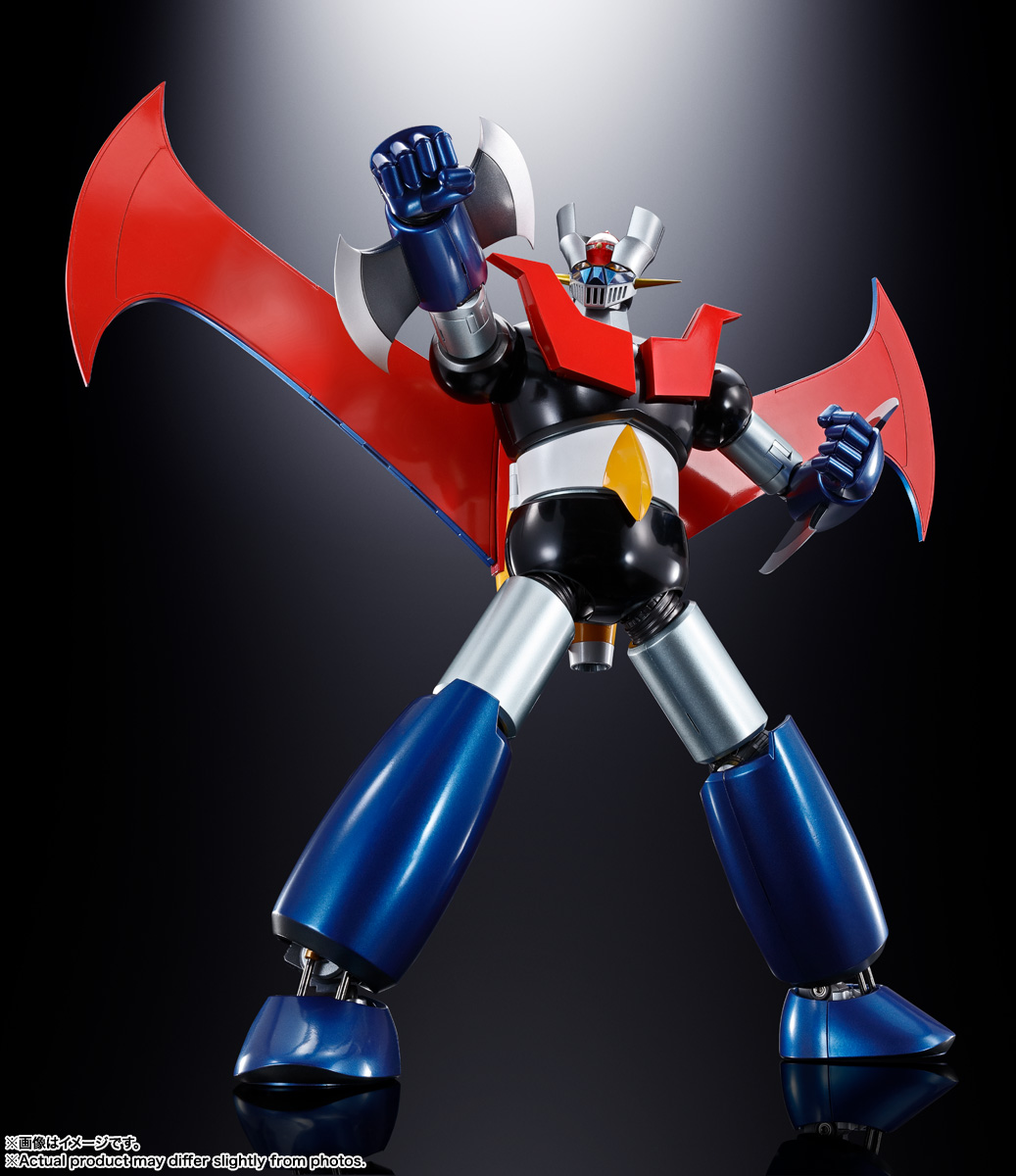
Birth of the "Chogokin" Toy Industry: The fictional Super-Alloy Z gave rise to Popy's (later Bandai) revolutionary Chogokin line of die-cast metal toy figures, a term that remains the gold standard for premium collector mecha figures worldwide.
The Pioneer of the "Rocket Punch": Mazinger Z popularized the iconic detachable rocket-propelled fist (Rocket Punch), an offensive weapon design subsequently adopted and referenced across hundreds of sci-fi works, from Voltron to Pacific Rim.
Aphrodite A and Female Support Mecha: Piloted by Sayaka Yumi, Aphrodite A broke ground as one of anime's earliest female-piloted support mechas, famous for utilizing chest-mounted missiles in frontline combat.
Cultural Significance and Enduring Legacy
Mazinger Z established the foundational visual language and tropes for all subsequent mecha anime. Without Go Nagai's pioneering vision, monumental franchises such as Mobile Suit Gundam, Neon Genesis Evangelion, Macross, and Transformers would not exist in their current form. Internationally, the series achieved legendary status across Europe and Latin America during the late 1970s and 1980s, serving as a primary cultural bridge for Japanese animation worldwide.
Frequently Asked Questions (FAQ)
What was Mazinger Z's most significant historical innovation?
It was the first giant mecha in fiction to be operated by a human pilot from inside an integrated cockpit located within the robot's head.
What does the name Mazinger mean?
The name combines the Japanese root words Ma (demon) and Jin (god), representing the dual potential of the machine to protect or destroy.
What metal is Mazinger Z constructed from?
It is built from "Super-Alloy Z" (Chogokin Z), an indestructible fictional metal processed from the element Japanium.
Conclusion
Mazinger Z stands as an undisputed cornerstone of global popular culture. By balancing technological wonder with ethical responsibility, Go Nagai's masterwork continues to inspire artists, engineers, and animation enthusiasts across the globe.
Referenced Sources
No comments yet. We invite you to share your perspective on this dispatch.
Conversation & Reader Perspectives (0)