Marty McFly: History, Origin, and Facts of the Sci-Fi Hero
Marty McFly stands as one of the most celebrated and recognizable protagonists in science fiction and adventure cinema. Created by Robert Zemeckis and Bob Gale, and brought to life through Michael J. Fox's kinetic performance, the relatable Hill Valley high schooler redefined the youth hero archetype by relying on quick wit, loyalty, and resourcefulness over brute force. From his landmark skateboarding sequences and iconic "Johnny B. Goode" performance to his time-travel adventures aboard the DeLorean across 1955, 2015, and 1885, Marty remains an enduring benchmark of 1980s pop culture.
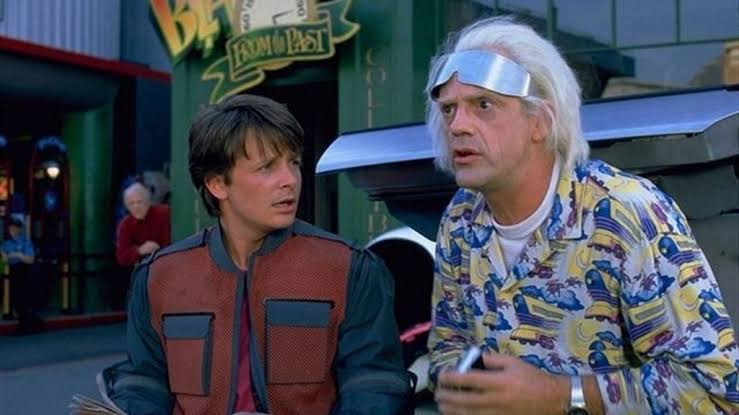
Marty McFly: History, Origin, and Facts of the Sci-Fi Hero
In the history of 1980s adventure and science fiction cinema, Martin Seamus "Marty" McFly stands as one of the most recognizable and enduring protagonists in pop culture. Brought to life by Michael J. Fox in the Back to the Future trilogy (1985–1990), Marty personified the quintessential American teenager: an aspiring musician with a passion for skateboarding whose loyalty to his friends inadvertently places him at the center of temporal history.
Unlike conventional action heroes of his era who relied on overwhelming physical dominance or specialized combat training, Marty's strength came from fast thinking, adaptability, and an intrinsic moral compass. His intergenerational bond with the eccentric scientist Dr. Emmett "Doc" Brown provided a heartfelt and humorous foundation that elevated the franchise into a global cinematic benchmark.
This comprehensive overview explores the origins of Marty McFly, the legendary production challenges surrounding his casting, his character development across the trilogy, and key verified trivia preserved in studio production archives.
Origins and Narrative History
Marty McFly made his silver-screen debut in July 1985 under the direction of Robert Zemeckis. Born in 1968 in the fictional town of Hill Valley, California, Marty is the youngest child of George and Lorraine McFly. As the story opens, he faces typical adolescent insecurities alongside the frustrations of a discouraged household and anxieties about his future as a rock guitarist.
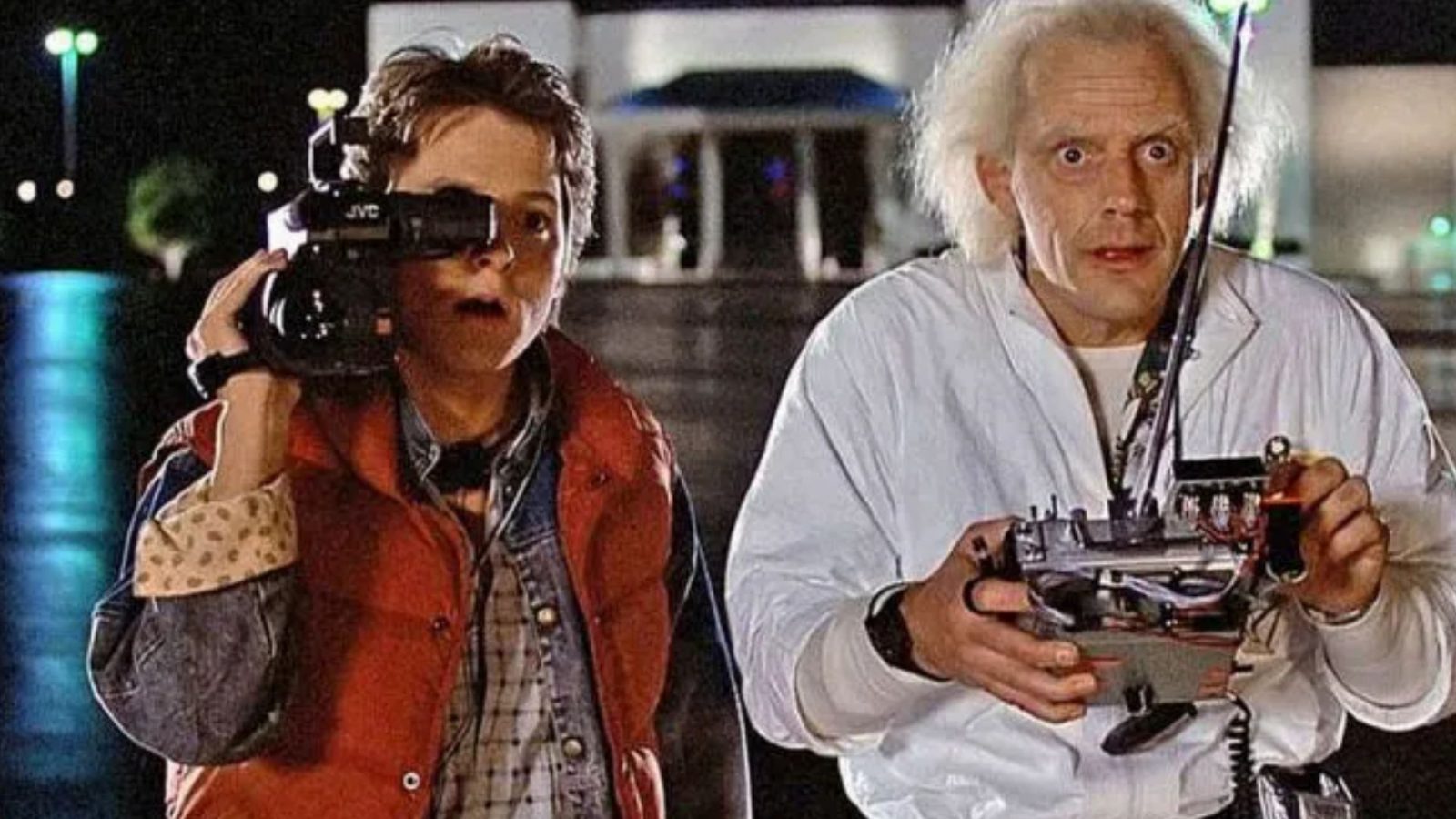
His life shifts permanently on the night of October 26, 1985, at the Twin Pines Mall parking lot, where he witnesses Doc Brown demonstrate his temporal invention built inside a stainless-steel DeLorean DMC-12 sports car. When Libyan extremists ambush the testing site to reclaim the stolen plutonium powering the vehicle, Marty escapes in the DeLorean, accelerating past 88 miles per hour and triggering a temporal displacement to the year 1955.
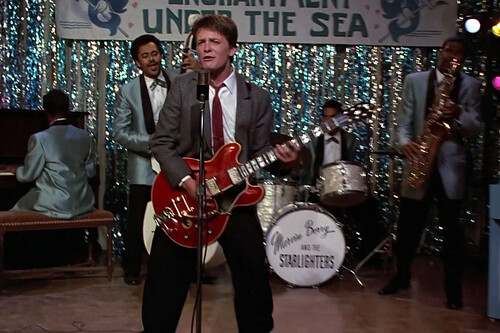
In the past, Marty inadvertently interrupts his teenage parents' first romantic encounter, creating a temporal paradox that threatens his very existence. With the assistance of the 1955 incarnation of Doc Brown, Marty must orchestrate his parents' reunion at the "Enchantment Under the Sea" school dance, secure a high-voltage lightning strike to power his return, and preserve the timeline.
Creators and Production Development
The character was co-created in the early 1980s by screenwriter Bob Gale and director Robert Zemeckis. The core concept developed after Gale discovered his father’s high school yearbook, wondering whether the two would have been friends had they attended school at the same time. This simple reflection evolved into a universal narrative about recognizing one's parents as individuals with their own past struggles.
The casting of Marty McFly remains one of the most famous production sagas in Hollywood history. Michael J. Fox was always the director's top choice, but his starring role on the NBC sitcom Family Ties initially precluded his involvement. Consequently, actor Eric Stoltz was cast and filmed scenes for roughly five weeks.
Zemeckis and executive producer Steven Spielberg eventually concluded that Stoltz’s approach, while dramatically intense, lacked the comedic timing and kinetic charisma essential for the movie. After negotiating an agreement with the producers of Family Ties, Fox was brought in to reshoot all sequences, enduring grueling 18-hour workdays split between his daytime television tapings and overnight movie shoots.
Skill Sets and Character Development
Over the course of the three films, Marty's character demonstrates clear emotional progression:
Back to the Future (1985): A resourceful yet hesitant teenager whose skateboarding agility and musical talent help him navigate 1955 while helping his father discover personal self-respect.
Back to the Future Part II (1989): Traverses into the futuristic year 2015 to rescue his future family, though his pride and vulnerability to being called "chicken" surface as his core emotional flaw.
Back to the Future Part III (1990): Stranded in the Old West of 1885 under the alias "Clint Eastwood," Marty finally learns emotional restraint during his showdown with Buford "Mad Dog" Tannen, realizing that real bravery does not require answering reckless provocations.
Verified Trivia and Lesser-Known Facts
The "Life Preserver" Puffer Vest: Marty's red-orange down vest worn throughout 1985 became an iconic piece of cinema costuming, prompting recurring comedic dialogue in 1955 where townsfolk mistake him for a Coast Guard sailor.
The Musical Double for "Johnny B. Goode": While Michael J. Fox trained extensively with guitar coach Paul Hanson to replicate realistic finger movements on the Gibson ES-345 guitar, the actual audio solo was recorded by session musician Tim May, with vocals performed by Mark Campbell.
The Accidental Skateboard Invention: During his chase in 1955, Marty invents the skateboard on the fly by ripping the wooden crate off a child's soapbox scooter to outmaneuver Biff Tannen and his gang.
Relentless Filming Schedule: Michael J. Fox averaged just four hours of sleep each night during production, filming Family Ties from 9:00 AM to 6:00 PM before transitioning to the Universal lot to film Back to the Future until sunrise.
Cultural Impact and Legacy
Marty McFly permanently reshaped the archetype of the youthful movie hero. Elements of his persona—from his self-lacing sneakers and denim jacket ensemble to the iconic pink hoverboard—remain celebrated symbols of twentieth-century cinema. The character continues to inspire film homages, analytical studies, and international conventions dedicated to science fiction storytelling.
Frequently Asked Questions (FAQ)
Who was originally cast as Marty McFly before Michael J. Fox?
Actor Eric Stoltz was originally cast and filmed for approximately five weeks before the production team decided to replace him with Michael J. Fox to achieve the desired comedic balance.
What is Marty McFly's major character flaw?
His intense sensitivity to being perceived as cowardly or called "chicken," an emotional trigger that he ultimately overcomes in the 1885 timeline during the final film.
Did Michael J. Fox really play the guitar during the dance scene?
Fox matched the physical fingerings on the guitar neck accurately, but the actual guitar track was recorded by session guitarist Tim May, with vocals provided by Mark Campbell.
Conclusion
Marty McFly stands as a testament to the power of wit, loyalty, and optimism. His cinematic journey through time not only changed his fictional family's destiny but also secured Michael J. Fox's place as a beloved screen icon for generations of moviegoers.
Referenced Sources
No comments yet. We invite you to share your perspective on this dispatch.
Conversation & Reader Perspectives (0)