I Dream of Jeannie: History, Origins, and TV Facts
I Dream of Jeannie (1965–1970) stands as one of the most iconic and beloved staples of classic American television comedy. Created by Sidney Sheldon and starring Barbara Eden alongside Larry Hagman, the series merged Space Age excitement with supernatural romance and witty farce. Successfully navigating strict network censorship and an initial black-and-white first season, the dynamic between the magical ancient genie and her NASA astronaut captured global audiences across 139 episodes, cementing an enduring legacy in international television syndication and pop culture history.
I Dream of Jeannie: History, Origins, and TV Facts
During the golden era of 1960s American television sitcoms, few productions achieved the enduring global affection and syndication success of I Dream of Jeannie (1965–1970). Created by celebrated novelist and producer Sidney Sheldon, the series blended lighthearted romance, suburban farce, and fantasy escapism, captivating audiences worldwide across more than five decades of continuous broadcasting.
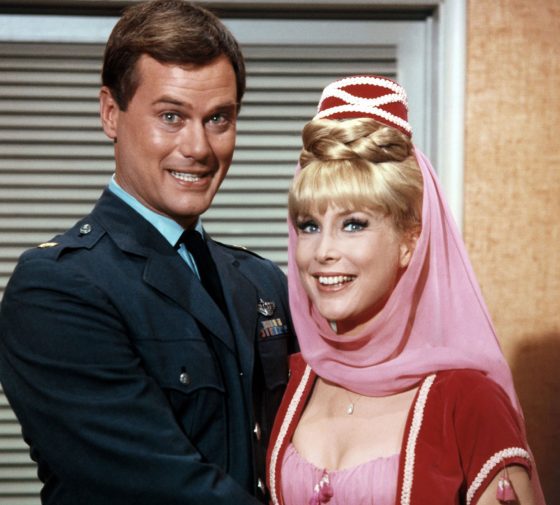
The narrative—revolving around the magical dynamic between a two-thousand-year-old genie released from her bottle and the United States astronaut who discovered her—skillfully tapped into contemporary public enthusiasm for the Space Race and exotic fantasy tropes. Barbara Eden, starring as the charming Jeannie, alongside Larry Hagman as the earnest Captain (later Major) Anthony Nelson, delivered an unmistakable comedic chemistry that established a benchmark for fantasy situation comedies.
Beyond its cheerful exterior, the series navigated stringent network censorship guidelines, intricate practical effects challenges, and intense competition within the fantasy sitcom boom of its decade. Below is an exhaustive exploration of its narrative premise, production background, creative evolution, and key verified trivia documented in television history archives.
Narrative Origins and Premise
I Dream of Jeannie premiered on the NBC television network in September 1965. The pilot episode, filmed in black-and-white and titled "The Lady in the Bottle," introduced the foundational premise: NASA astronaut Tony Nelson crash-lands on an uninhabited South Pacific island following the malfunction of his Stardust One space capsule. While awaiting recovery, he stumbles upon an ornate bottle that, upon being unsealed, releases a beautiful genie fluent in ancient Persian.
After granting his wish for rescue by a military helicopter, Jeannie falls in love with her benefactor and stows away in his duffle bag to follow him to his home in Cocoa Beach, Florida. The series draws its continuous comedic engine from Jeannie's well-intentioned but chaotic magical interventions, which Tony must desperately conceal from his NASA superiors—most notably the chronically suspicious Air Force psychiatrist, Colonel Dr. Alfred Bellows.
Creators and Production Background
The series was created by Sidney Sheldon in direct response to the massive ratings success achieved by ABC's rival fantasy sitcom Bewitched in 1964. Aiming to capture a share of the burgeoning supernatural comedy market, Sheldon deliberately grounded his premise in ancient Arabian mythology rather than traditional European witchcraft, juxtaposing ancient folklore against modern aerospace engineering at Cape Kennedy.
To avoid aesthetic comparisons with Elizabeth Montgomery, Sheldon initially directed casting agents to consider only brunette actresses for the titular role. However, after reviewing dozens of auditions, Barbara Eden's comedic instincts, graceful physical humor, and charismatic screen presence persuaded Sheldon to discard his brunette-only mandate and award her the part.
Production Evolution and Narrative Milestones
The broadcast history of the show highlights several technical and structural transformations within twentieth-century network television:
Season 1 (1965–1966): Broadcast entirely in black-and-white because NBC executives doubted the show's longevity and declined to finance color production costs for photographic special effects. It became the network's final comedy series filmed in monochrome.
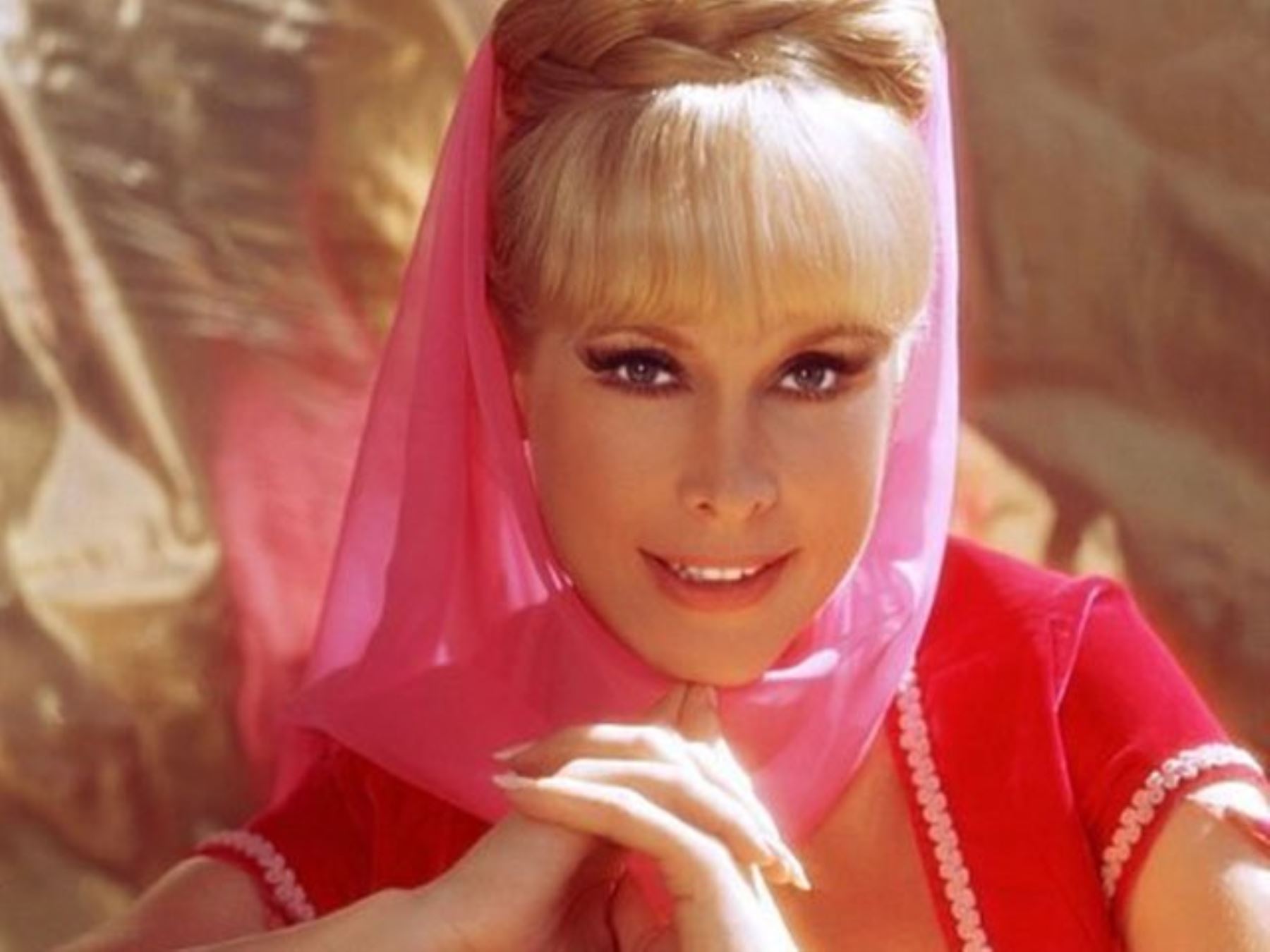
Seasons 2 to 5 (1966–1970): Produced in vibrant full color, making full visual use of Jeannie's signature pink harem costume and the rich interior set of her smoke-filled bottle.
The Wedding Episode (1969): During the fifth season, network executives mandated that Tony and Jeannie marry. Both Sheldon and the lead actors later noted that formalizing the marriage eliminated the unresolved romantic tension that had fueled the central comedic premise, precipitating the show's conclusion.
Verified Facts and Production Trivia
The Strict Navel Censorship Policy: Throughout the entire five-season run, NBC's Department of Broadcast Standards and Practices strictly prohibited Barbara Eden's navel from being visible on screen. Costume designers were required to keep the waistband of her harem trousers high enough to satisfy television decency codes.
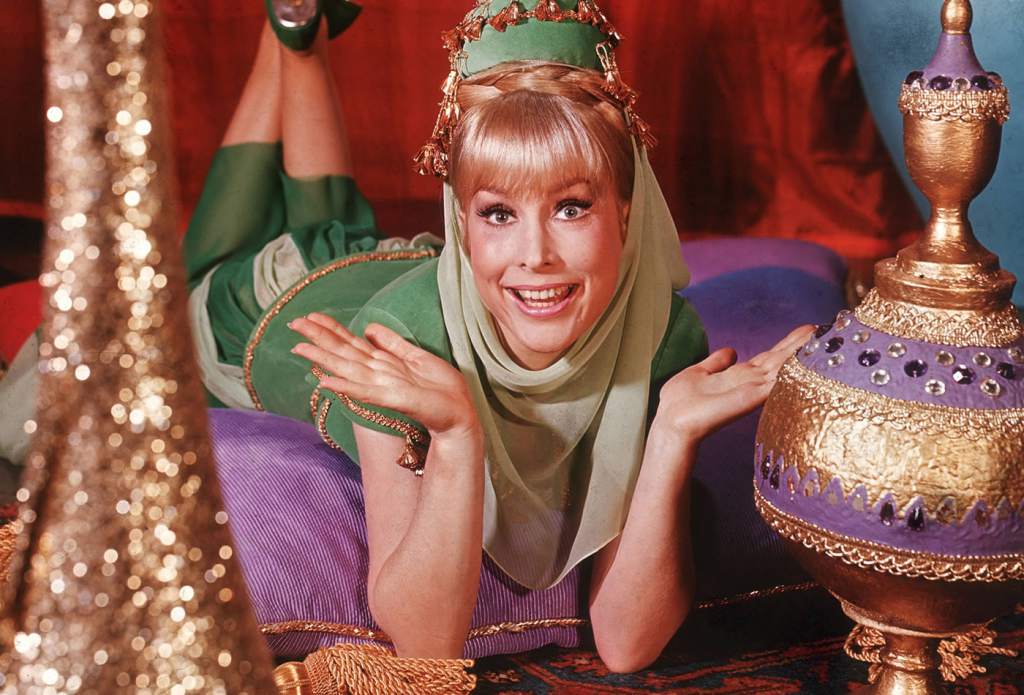
The Liquor Decanter Origin: Jeannie's famous ornate bottle was not originally manufactured by the prop department; it was a 1964 Christmas special-edition Jim Beam bourbon decanter, hand-painted with gold leaf and purple lacquer by production artists.
Concealed Pregnancy During Early Episodes: Shortly after signing her contract, Barbara Eden learned she was pregnant. Designers disguised her pregnancy during the first ten episodes of season one using flowing veils, oversized outer garments, and tightly framed camera angles.
The Signature Magic Gesture: Distinct from Samantha Stephens' famous nose twitch in Bewitched, Jeannie executed her magic by crossing her arms across her chest, closing her eyes, and nodding her head, accompanied by an electronic chime sound effect.
Cultural Legacy and Continuing Impact
With 139 half-hour episodes produced, I Dream of Jeannie remains a foundational cornerstone of mid-century American pop culture. The series sustained exceptional commercial vitality through decades of international syndication, broadcast in dozens of languages across the Americas, Europe, and Asia. Its lively theme music, composed by Hugo Montenegro, and its whimsical exploration of domestic magic continue to influence contemporary television writing and retro media studies.
Frequently Asked Questions (FAQ)
Why was Season 1 of I Dream of Jeannie filmed in black and white?
NBC executives were uncertain about the program's long-term commercial viability and refused to pay the additional production costs required for color film processing and optical effects.
What was Jeannie's bottle made of originally?
The production prop was constructed from a modified 1964 holiday-edition Jim Beam ceramic liquor decanter, customized and painted by studio prop artists.
How many episodes of I Dream of Jeannie were filmed?
A total of 139 episodes were produced across five seasons, broadcasting on NBC from September 1965 to May 1970.
Conclusion
I Dream of Jeannie endures as a hallmark of classic television comedy. The impeccable timing of Barbara Eden and Larry Hagman, paired with Sidney Sheldon's imaginative writing, secured an everlasting place for the beloved series in television history.
Referenced Sources
No comments yet. We invite you to share your perspective on this dispatch.
Conversation & Reader Perspectives (0)