Candy Candy: Origin, Facts, and the Iconic Shojo Legacy
Candy Candy stands as one of the most influential classics in the history of shojo manga and anime. Created in the mid-1970s by writer Keiko Nagita and artist Yumiko Igarashi, the story of Candice White resonated with global audiences through its themes of resilience, emotional strength, and optimism in the face of hardship. Although an ongoing copyright dispute has restricted official worldwide re-releases, its narrative maturity and massive cultural impact firmly establish Candy Candy as an enduring pop-culture milestone.
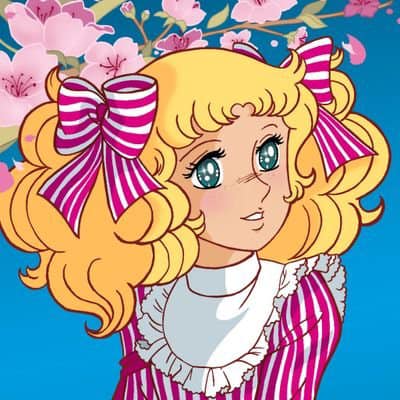
Candy Candy: Origin, Facts, and the Iconic Shojo Legacy
Few titles in the history of Japanese animation and manga have evoked such widespread emotional resonance as Candy Candy. Debuting in the mid-1970s, this groundbreaking series redefined the shojo demographic by presenting an earnest, resilient, and independent heroine who navigated societal hardship, tragedy, and romantic heartbreak without compromising her inner joy.
The franchise transcended cultural boundaries, becoming a global phenomenon throughout Latin America, Europe, and Asia. Produced for television by Toei Animation with a timeless soundtrack and memorable voice work, the story of Candice White Adley set a benchmark for dramatic storytelling in classic anime.
While beloved worldwide, the historical trajectory of the series is equally notable for a high-profile copyright dispute that halted international re-releases. Below is a comprehensive look at the origins, historical milestones, and verified trivia surrounding this unforgettable classic.
Origins and Narrative Premise
The story of Candy first appeared in April 1975 within the pages of Kodansha's popular monthly magazine, Nakayoshi. The narrative begins at the turn of the 20th century in the United States, where an abandoned infant girl named Candice "Candy" White is raised alongside her close friend Annie at Pony's Home, a rural orphanage near Lake Michigan.
As she matures, Candy is taken in by the aristocratic but cruel Leagan family to serve as a companion, enduring social ostracization. However, her life takes a transformative turn after meeting Anthony Brown, the Cornwell brothers (Stear and Archie), and the mysterious Albert, eventually leading to her formal adoption by the influential Ardlay clan. Over 115 episodes, the narrative follows Candy's growth from a spirited orphan into a dedicated nurse navigating the harsh realities of World War I and the complexities of romance with stage actor Terry Grandchester.
Creators and Production Background
Candy Candy was realized through the collaborative synergy of two prominent Japanese creators:
- Keiko Nagita (writing under the pen name Kyoko Mizuki): The author and novelist who conceived the overarching plot, character development, and serialized drama, drawing deep inspiration from classical Western literature.
- Yumiko Igarashi: The acclaimed manga artist whose signature visual style—characterized by expressive eyes, radiant golden curls, and detailed period attire—defined the aesthetic look of the era.
In 1976, Toei Animation adapted the work into a major animated series directed by Hiroshi Shidara and Tetsuo Imazawa, running successfully until 1979.
Milestones, Accolades, and the Legal Dispute
The original manga spanned 9 volumes, achieving multi-million circulation numbers and earning the prestigious 1st Kodansha Manga Award in the shojo category in 1977. The anime became a flagship international broadcast for Toei Animation across multiple global territories.
During the late 1990s, however, a legal dispute emerged between author Keiko Nagita and illustrator Yumiko Igarashi regarding commercial merchandising and licensing rights. In 2001, Japan's Supreme Court affirmed that both creators hold joint copyright ownership. Consequently, any commercial distribution, HD remastering, or official streaming requires unanimous mutual consent, leading to an extended moratorium on official worldwide distribution.
Verified Trivia and Lesser-Known Facts
- The Final Novel Revelation: In 2010, Keiko Nagita released Candy Candy Final Story, a two-volume novel clarifying narrative details and depicting an adult Candy living happily in England alongside her true love, referred to as "That Person" (Ano Hito).
- Literary Influences: The structure of the narrative drew heavy inspiration from Western coming-of-age classics, notably Jean Webster's 1912 novel Daddy-Long-Legs.
- Localization Alterations: In several international dubs broadcast across the 1980s, particular dialogues in the final episodes were altered or rewritten to provide different emotional closures for local television audiences.
- Pioneering Dramatic Themes: Unlike many animated series of its decade aimed at young audiences, Candy Candy explicitly addressed wartime trauma, societal classism, grief, and vocational independence for women.
Cultural Legacy
Candy Candy established a lasting template for female protagonists in animated serials. By presenting a heroine who derives fulfillment from resilience, self-reliance, and compassion rather than passive dependency, the series remains a cornerstone of anime history and a treasured cultural memory for generations of viewers worldwide.
Frequently Asked Questions (FAQ)
Who created Candy Candy?
The story was written by Keiko Nagita (Kyoko Mizuki) and illustrated by mangaka Yumiko Igarashi.
Why is Candy Candy not available on modern streaming services?
A 2001 Supreme Court of Japan ruling confirmed joint copyright between the author and illustrator, and the lack of mutual commercial agreement has prevented new official releases.
How many episodes comprise the anime series?
The television adaptation produced by Toei Animation contains 115 episodes, broadcast between October 1976 and February 1979.
Conclusion
Despite legal complications restricting its contemporary availability, Candy Candy endures as an essential classic of Japanese storytelling. Its message of optimism and personal strength continues to inspire fans and historians of international animation.
Referenced Sources
No comments yet. We invite you to share your perspective on this dispatch.
Conversation & Reader Perspectives (0)